
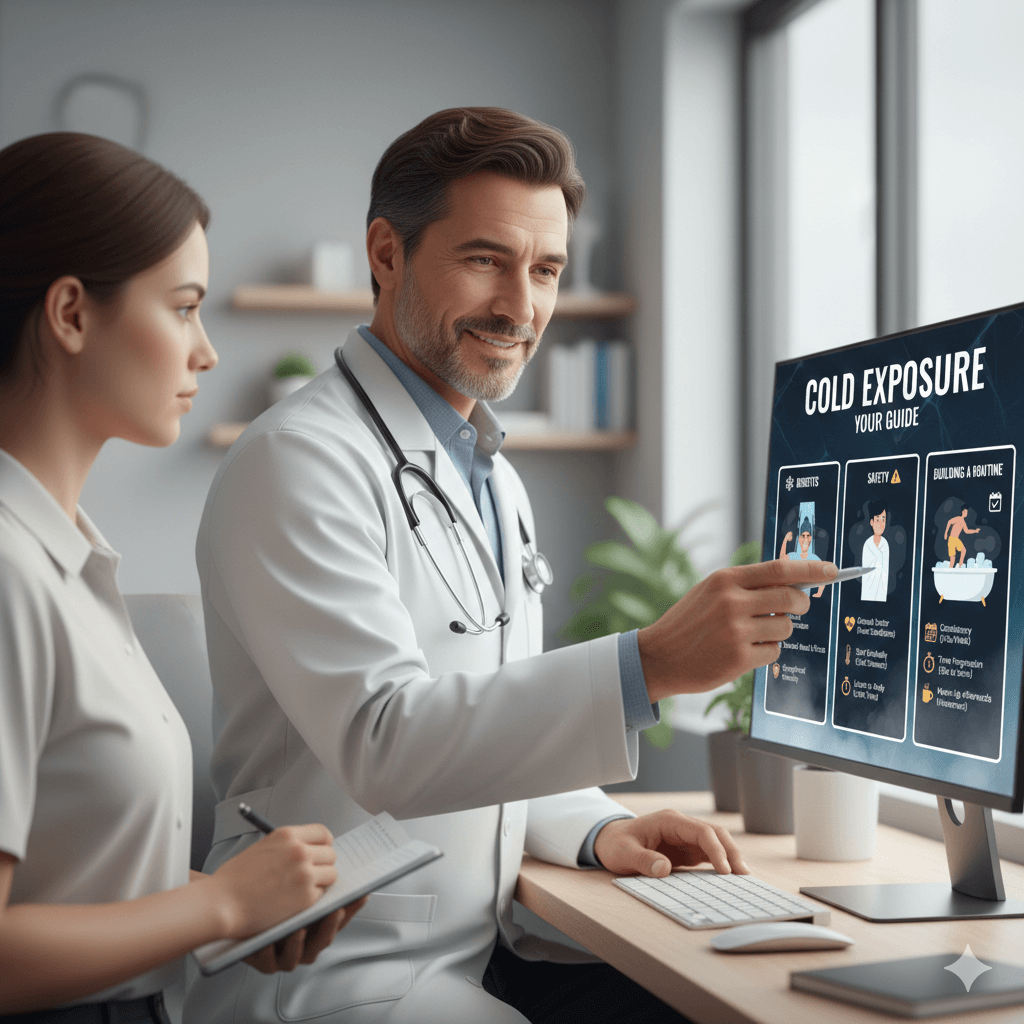
Why cold exposure is gaining attention
Researchers have studied the effects of cold water immersion and cold showers on the human body for decades. Recent findings suggest that brief, deliberate cold exposure can trigger a cascade of beneficial physiological responses, from increased norepinephrine release to improved circulation.
Unlike extreme ice baths popularized on social media, effective cold exposure does not require suffering. Moderate, consistent practice appears to deliver the most sustainable benefits for mood, energy, and resilience.
Key benefits supported by research
- Improved alertness: Cold water triggers a spike in norepinephrine, a neurotransmitter that sharpens attention and focus. This natural boost can replace the need for a second cup of coffee.
- Reduced inflammation: Regular cold exposure may lower markers of systemic inflammation, supporting recovery after exercise and reducing chronic aches.
- Mood enhancement: The dopamine response to cold water can last for several hours, creating a calm, elevated mood without the crash associated with stimulants.
- Stress resilience: Voluntarily exposing yourself to a controlled stressor teaches the nervous system to recover more quickly, building what researchers call stress inoculation.
- Better circulation: Alternating between cold and warm environments trains blood vessels to constrict and dilate more efficiently, supporting cardiovascular health over time.
Start with the last 30 seconds
You do not need a dedicated ice bath. Simply end your regular morning shower with 30 seconds of the coldest water you can tolerate. Over several weeks, gradually extend the duration to two or three minutes.
How to build a morning cold exposure routine
The key to a sustainable cold practice is gradual progression. Jumping into extreme temperatures without preparation can cause shock and is counterproductive.
- Begin with cool, not cold, water at the end of your shower. Aim for a temperature that feels uncomfortable but manageable.
- Focus on controlled breathing. Slow, steady exhales help your nervous system stay regulated instead of panicking.
- Start at 30 seconds and add 15 seconds each week until you reach two to three minutes.
- Practice consistently. Daily exposure, even if brief, builds adaptation faster than occasional longer sessions.
- Track how you feel afterward. Most people report increased energy and mental clarity within the first week.
Safety considerations
Cold exposure is not appropriate for everyone. People with cardiovascular conditions, Raynaud's disease, or uncontrolled blood pressure should consult a healthcare provider before starting. Pregnant individuals should also seek medical guidance first.
Never practice cold immersion alone in deep water, and avoid cold exposure when you are already hypothermic or extremely fatigued. The goal is controlled discomfort, not danger.
"The cold is a noble force. It demands respect but rewards those who approach it with intention."
- Wim Hof
Combining cold exposure with other habits
Cold exposure pairs well with morning routines that emphasize wakefulness. Consider following your cold shower with breathwork, journaling, or a short walk in natural light. This combination amplifies the alertness benefits and helps set a positive tone for the entire day.
Over time, the practice becomes less about enduring discomfort and more about the calm confidence that comes from starting your day with something challenging. That mindset shift may be the most valuable benefit of all.